


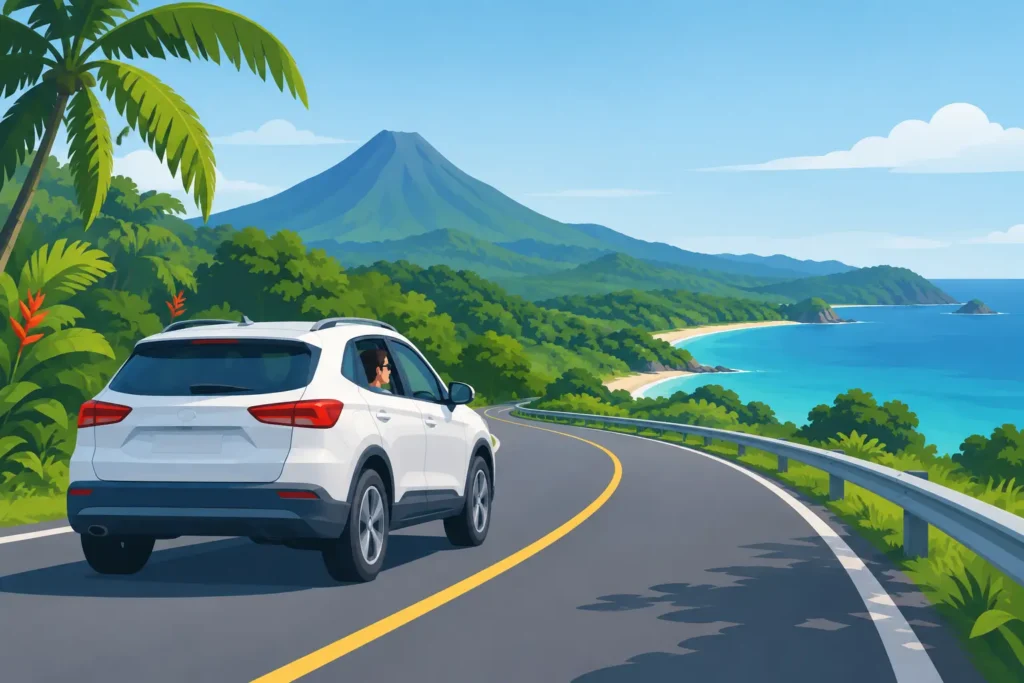
A rental car can put hidden beaches, mountain towns, and sunset dinners on your schedule. But is driving Costa Rica safe? For most visitors, the answer is yes – when you choose routes that match your experience, drive defensively, and respect conditions that can change quickly between the airport and your hotel.
Costa Rica is not difficult to enjoy by road, but it is not a destination for autopilot driving either. A polished highway near Liberia can give way to a narrow, winding mountain road. A short distance on the map may take much longer than expected. The travelers who have the best experience are not necessarily the most adventurous drivers. They are the ones who plan smart, travel in daylight, and know when handing the keys to a local professional is the better vacation decision.
Is Driving Costa Rica Safe? The Honest Answer
Costa Rica’s main tourism routes are generally safe and manageable, especially around Liberia, Guanacaste, Tamarindo, Flamingo, the Central Valley, and major national parks. Roads such as Route 21 around Liberia and Route 27 toward the Pacific coast are familiar corridors for visitors. You will share them with tour vans, delivery trucks, motorcycles, buses, cyclists, and local drivers who know every curve.
The trade-off is that road quality is uneven. Potholes, limited shoulders, sharp turns, steep grades, unexpected wildlife, and heavy rain are all real possibilities. In rural areas, road markings and streetlights may be limited. You may also encounter a slow-moving truck on a two-lane road with few safe opportunities to pass.
That does not make driving inherently unsafe. It means Costa Rica rewards patience. Leave extra time, stay alert, and resist the urge to make up lost time by driving faster. Vacation schedules are flexible. Road conditions are not.
Personal security deserves the same practical approach. Keep bags, passports, phones, and cameras out of sight rather than on seats. Use attended parking when available, lock the vehicle every time, and avoid leaving valuables in the car while you hike, surf, or stop for a meal. These habits are sensible in any travel destination and go a long way toward protecting a great day out.
The Conditions That Surprise First-Time Drivers
For US and Canadian visitors, the biggest adjustment is usually not driving on the right side of the road – Costa Rica does that too. It is reading the road itself.
Distances can be deceptive. A route that appears to be 60 miles may include steep terrain, construction, village traffic, or long stretches behind a truck. Do not build a schedule around North American highway speeds. If your flight lands in Liberia in the afternoon, a drive to Tamarindo or Flamingo is usually straightforward. A same-day run from Liberia to Monteverde after dark is a very different proposition.
Night driving deserves special caution. Outside larger towns, darkness arrives quickly and roads may have few reflectors or lights. Rain, fog, pedestrians, animals, unmarked speed bumps, and motorcycles can be much harder to spot. Plan to arrive before sunset whenever possible, especially during your first days in the country.
Rainy season, generally from May through November, adds another layer. A paved route can still be perfectly usable, but sudden downpours reduce visibility and make surfaces slick. Unpaved roads may become muddy or deeply rutted. Never drive through standing or moving water if you cannot clearly judge its depth and the road beneath it. A detour, a pause for conditions to improve, or local guidance is always better than an expensive recovery situation.
Navigation apps are useful, but they are not a substitute for judgment. They can underestimate travel times or recommend a shortcut that is technically possible but unsuitable for your vehicle or comfort level. Before heading into a remote area, ask your hotel, rental provider, or local transportation team about the current route. Conditions can change after a strong rainstorm.
Choose the Right Vehicle, Not the Biggest One
A 4×4 is not required for every Costa Rica vacation. Travelers staying on paved roads between Liberia, beach towns, major attractions, and established hotels can often do well with a standard SUV or sedan. Choosing a smaller vehicle may also make parking and navigating narrow streets easier.
A higher-clearance SUV or 4×4 becomes more valuable when your itinerary includes remote lodges, steep gravel access roads, mountain areas, or properties reached by river crossings or rough terrain. Do not book a vehicle based on the name of a destination alone. Ask about the final few miles to your hotel, villa, or vacation rental. That is often where the vehicle choice matters most.
Before accepting any rental, inspect it carefully with the agent. Confirm tire condition, spare tire access, fuel policy, roadside assistance details, and exactly what insurance is included. Costa Rica rental pricing can look very different once required coverage and deposits are factored in, so clarity before pickup prevents unpleasant surprises later.
Tourists can typically drive with a valid foreign license and passport for the period permitted by their entry status, but rental requirements vary. Confirm current documentation rules directly with your provider before travel. Bring a physical driver’s license, not only a photo on your phone, and make sure the person listed as the driver is covered under the rental agreement.
Drive Like a Guest, Not Like You Are in a Hurry
The safest drivers in Costa Rica are calm, predictable, and conservative. Wear seat belts, keep phones away while driving, follow posted limits, and use turn signals early. Avoid passing unless you have a long, clear view and complete confidence in the maneuver. On curving roads, the vehicle coming uphill or around a blind bend may appear sooner than you expect.
Police checkpoints are common and are often routine. Slow down, be respectful, and have your license, passport copy, and rental documents accessible. Do not argue at the roadside or offer cash to resolve an issue. If you are unsure about a situation, contact your rental company for support.
Fuel is widely available along established travel routes, but it is still smart to fill up before heading into less-populated regions. At many stations, attendants pump fuel for you. Confirm the fuel type and watch the pump start at zero, then keep your receipt.
Parking calls for judgment too. In busy beach towns, choose well-lit, attended lots or a hotel’s designated area when possible. Do not leave surfboards, luggage, shopping bags, or electronics visible through the windows. A few extra dollars for secure parking is a small price for peace of mind.
When a Private Driver Is the Better Choice
A rental car offers freedom, but it also asks someone in your group to stay focused on unfamiliar roads instead of fully enjoying the trip. A private transfer or van-and-driver service can be the premium choice for airport arrivals, long-distance moves, late-day travel, groups, and routes with challenging terrain.
It is especially valuable when you are landing after a long flight, traveling with children, carrying plenty of luggage, or planning to enjoy cocktails at dinner. A local driver understands the road rhythm, knows where to stop, and handles the navigation while your group settles into vacation mode.
For travelers who want flexibility without taking every driving responsibility, a mixed approach works beautifully. Book a private airport transfer, use a driver for the longest or most demanding travel days, then rent a vehicle or scooter locally where it makes sense. 506 Transfers can coordinate private transportation, tours, and local mobility so your itinerary feels organized without feeling overplanned.
A Better Rule for Your Costa Rica Itinerary
Do not ask only whether you can drive a route. Ask whether driving it improves your vacation. A daytime coastal drive with a well-chosen vehicle can be a highlight. A rainy nighttime mountain transfer after an international flight can be unnecessary stress.
Costa Rica is best experienced with confidence, not pressure. Choose the road, vehicle, and level of support that let you look out the window more often than you look at the map.