


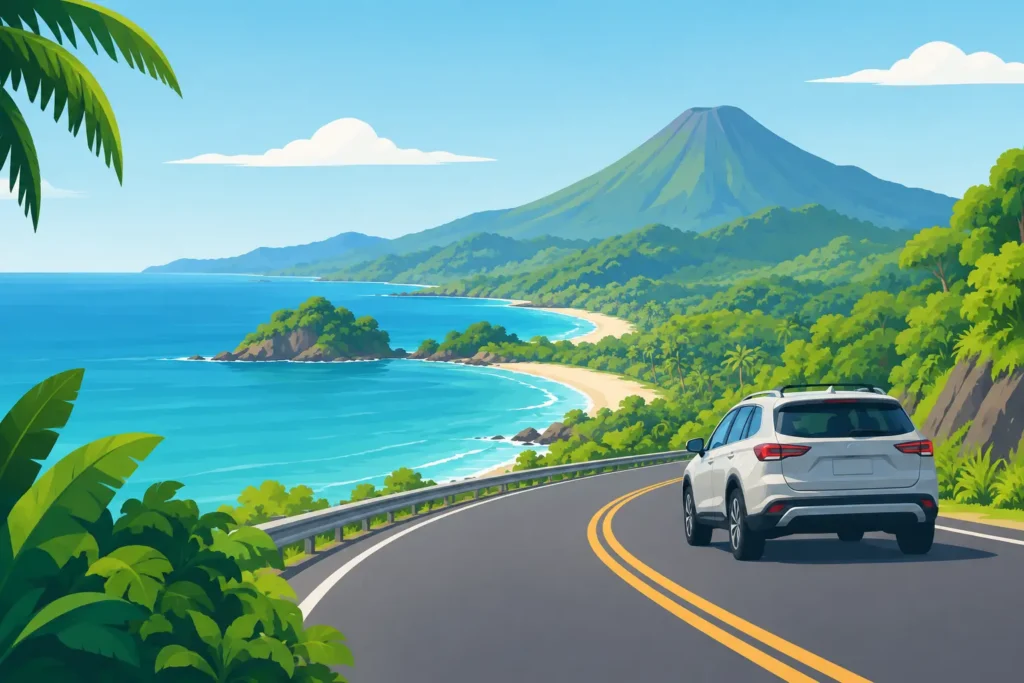
A Costa Rica road trip guide should start with one truth: the map rarely tells the whole story. A route that looks like a quick 60-mile drive can mean mountain curves, rain showers, slow-moving trucks, wildlife crossings, and a spectacular stop you did not plan to make. That is exactly why driving here can be unforgettable – if your itinerary is built around realistic travel times, the right vehicle, and a little local know-how.
For travelers arriving through Liberia or San José, a road trip offers the freedom to connect beach towns, volcanoes, forests, and small local communities on your own schedule. The smartest trips do not try to see the entire country in one week. They choose a region, leave room for detours, and make getting there part of the vacation.
Costa Rica Road Trip Guide: Build a Route That Works
Costa Rica is compact on a globe but much larger behind the wheel. Road conditions change quickly between regions, and elevation can turn a short distance into a long drive. Plan your days by drive time rather than miles, especially when traveling to Monteverde, La Fortuna, the Nicoya Peninsula, or the South Pacific.
For a first visit, choose two or three bases instead of changing hotels every night. A Guanacaste itinerary might begin in Liberia, continue to Tamarindo or Flamingo, and add a few nights around the Arenal Volcano area. This gives you beach time, adventure, and a change of scenery without spending half the trip packing and unpacking.
Travelers landing in San José can combine the capital region with La Fortuna, Manuel Antonio, or the Caribbean. The right combination depends on your arrival time, flight schedule, and appetite for longer driving days. A late afternoon landing is usually a reason to stay nearby that first night, not to begin a mountain drive in the dark.
Leave breathing room between destinations. A three-hour drive can become four or five when you stop for lunch, encounter construction, or wait out a heavy afternoon downpour. That flexibility is not lost time. It is the difference between arriving stressed and arriving ready to enjoy your hotel, pool, beach, or dinner reservation.
Routes worth building around
The Liberia to Tamarindo or Flamingo corridor is one of the easiest road-trip starts for beach-focused travelers. It is ideal for couples, families, and groups who want fast access to Guanacaste’s coast, catamaran cruises, snorkeling, surfing, and sunset dinners. From there, day trips can reach quieter beaches and inland adventure areas without constant hotel changes.
Arenal and La Fortuna pair especially well with Guanacaste if you have at least seven nights. The drive brings you from dry Pacific scenery into greener volcanic landscapes, with hot springs, hanging bridges, rafting, and wildlife experiences waiting at the other end. It is a meaningful contrast, but it deserves at least two or three nights rather than a rushed overnight stop.
Monteverde is rewarding for travelers who want cloud forest hiking, cooler temperatures, and a more remote atmosphere. It also requires patience. Roads leading into the area can be rougher and slower than visitors expect, so this is one destination where a capable vehicle or private driver is often worth the upgrade.
Choose the Vehicle for the Trip You Actually Want
A compact car can work well for travelers staying on main paved routes, particularly around Liberia, Tamarindo, Flamingo, and many established destinations. It is easier to park, more economical, and perfectly practical for a straightforward beach itinerary in dry conditions.
A higher-clearance SUV becomes a stronger choice when your plans include remote beaches, mountainous areas, unpaved access roads, or rainy-season travel. Four-wheel drive is not mandatory for every Costa Rica itinerary, but clearance and confidence matter when roads become uneven, muddy, or full of potholes. Do not reserve a small car solely because the airport-to-hotel route looks simple. Think about the waterfall, restaurant, beach club, or rental villa you may want to reach later.
Scooters, motorcycles, and ATVs can add real excitement in the right destination, especially for short local explorations. They are not a substitute for a cross-country road-trip vehicle, particularly if you are carrying luggage, traveling with children, or driving during frequent rain. Treat them as a destination experience, not the default solution for every mile.
There is also a premium alternative: keep the freedom of a multi-stop itinerary without taking the wheel. A van-and-driver service lets your group travel together, enjoy the scenery, make planned stops, and arrive without navigating unfamiliar roads. 506 Transfers can coordinate private transportation, tours, and multi-day driver service for travelers who want the road trip feel with none of the driving pressure.
Driving in Costa Rica: What Changes the Plan
Daylight is your best friend. Outside major urban areas, roads may have limited lighting, unclear lane markings, narrow bridges, and occasional hazards that are hard to spot after dark. Aim to arrive before sunset, especially when moving between regions. If a flight delay makes that impossible, adjust the first night rather than forcing a long nighttime transfer.
Rainy season, generally from May through November, does not mean you should cancel your trip. It means you should plan intelligently. Mornings are often clearer, while afternoons may bring heavy rain. Start drives early, keep your schedule flexible, and allow extra time for wet roads. September and October can be particularly wet in parts of the Pacific, while the Caribbean follows a different weather pattern.
Use navigation, but do not follow it blindly. Mapping apps can suggest back roads that save a few minutes on paper while adding an hour of rough terrain in reality. Ask your hotel, driver, or local activity provider about the final approach to your next destination. This is especially useful for vacation rentals, secluded beaches, and mountain lodges.
Fuel stations are common along major routes but can be sparse in remote areas. Refill when you are around half a tank if you are heading into the mountains or exploring the peninsula. Keep cash for small purchases, tolls, and parking, although cards are widely accepted at hotels, larger restaurants, and established businesses.
Costa Rican driving rewards calm, alert decision-making. Expect motorcycles filtering through traffic, pedestrians near town centers, dogs near the roadside, and trucks moving slowly uphill. Pass only when you have a full, clear view ahead. The goal is not to drive aggressively. It is to reach the next beach or volcano relaxed enough to enjoy it.
Make the Transfer Days Part of the Vacation
The best road trips do not treat travel days as empty space between highlights. Build one intentional stop into each longer drive. On a route between Guanacaste and La Fortuna, that might be a local lunch, a coffee break, or a roadside viewpoint. Between San José and the Pacific, it could be a crocodile bridge stop or a relaxed meal before reaching the coast.
Avoid stacking a long drive with a fixed-time excursion on the same day. A sunset sail, rafting departure, or dinner reservation becomes much more enjoyable when you are not watching the clock from the highway. Place big activities on full days at your destination, then leave transfer days lighter.
For families, plan breaks before children get restless. For friend groups, decide in advance who is navigating, who is handling music, and where the next bathroom stop is. For couples, resist the urge to turn every scenic route into a race. Costa Rica is at its best when the schedule has room for an unplanned fruit stand, viewpoint, or swim.
What to Pack in the Car
Keep the essentials within reach rather than buried under luggage: passports and rental documents, water, sunscreen, insect repellent, light rain jackets, phone chargers, and a dry bag for electronics. Closed-toe shoes are useful even on a beach itinerary because many of the country’s best adventures involve uneven trails, volcanic terrain, or wet walkways.
Download maps before leaving reliable Wi-Fi, but carry the name and address of your hotel separately. Reception can be inconsistent in remote areas. If you are traveling with a driver, confirm pickup times, luggage capacity, child seats, and any requested stops before departure. Small details handled early create the polished, worry-free experience travelers expect from a Costa Rica vacation.
A great Costa Rica road trip is not measured by how many destinations you can pin on a map. Choose the roads that leave time for the places you came to feel, then let every drive bring you closer to the vacation you actually want.