


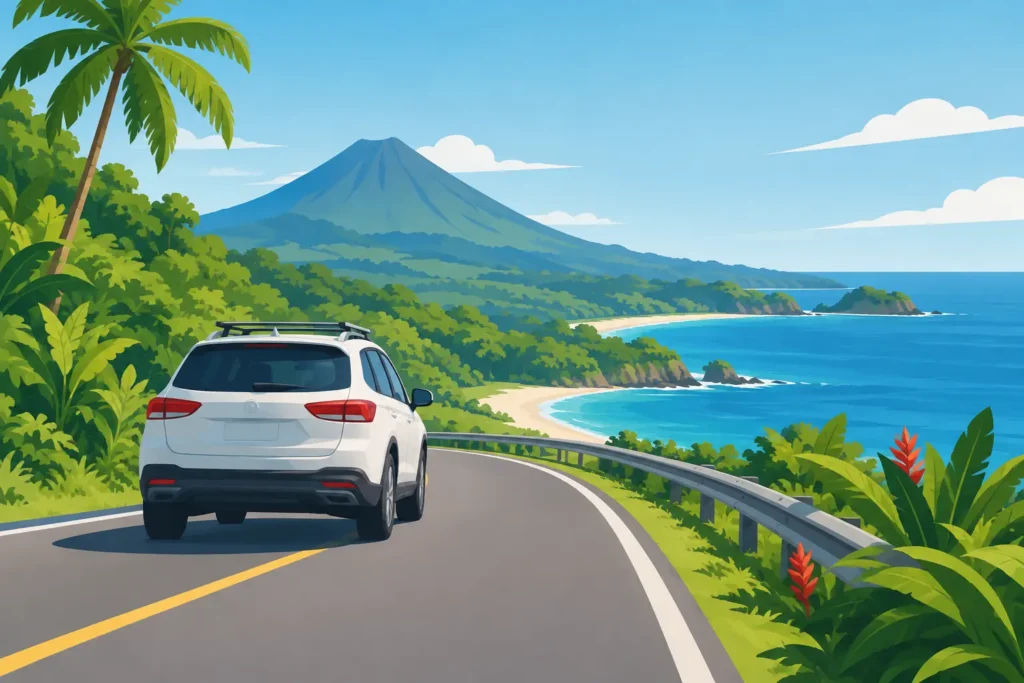
Your route from Liberia to Tamarindo may look short on a map, but a wrong turn onto an unpaved back road can change the day fast. The best self drive Costa Rica tips are not about driving faster or packing a tougher attitude. They are about choosing the right vehicle, allowing more time than your GPS suggests, and knowing when a private transfer is the smarter vacation move.
Costa Rica rewards independent travelers with remarkable freedom. You can stop for a roadside fruit stand, pull over for ocean views, and set your own pace between beaches, volcanoes, and rainforest. But the country’s roads demand attention, especially beyond the main highways. Plan well and self-driving can be an excellent part of the experience.
Self Drive Costa Rica Tips Before You Book
Start with your itinerary, not the rental rate. A compact SUV may be perfect for a couple staying in Tamarindo, Flamingo, Liberia, and other well-traveled Guanacaste destinations. If your plans include steep mountain lodging, remote surf towns, river crossings, or rural roads during the rainy season, a higher-clearance 4×4 may be worth the added cost.
Do not book a 4×4 just because Costa Rica has a reputation for rough roads. Many popular routes are paved and well suited to a standard vehicle. On the other hand, a low-clearance sedan can become frustrating when the final miles to your hotel include potholes, loose gravel, or deeply rutted roads. Ask your accommodation about the exact approach road, not just the destination town.
Read the rental quote carefully before committing. The advertised daily price may not reflect mandatory insurance, taxes, security deposits, extra-driver charges, child seats, Wi-Fi devices, or airport-related fees. Confirm what coverage is required, what deductible applies, and how much will be held on your credit card. The cheapest quote is not always the best value if the final counter price comes as a surprise.
For peak travel periods, reserve early. December through April, major holidays, and school vacation weeks can put pressure on inventory, especially for automatic SUVs and 4×4 models. If your flights arrive late or depart early, also confirm the rental office hours and whether pickup requires an airport shuttle.
Build More Time Into Every Drive
Costa Rica is not a destination where driving time equals distance divided by highway speed. A 60-mile route can include narrow curves, trucks, rain, construction, village traffic, and scenic stretches that deserve a stop. Your map app may offer an optimistic arrival estimate. Treat it as a best-case scenario, not a promise.
For daytime travel between major tourist areas, add at least 25 to 40 percent more time than the first estimate. Add more if your route crosses mountains, follows the Nicoya Peninsula, or includes a rainy-season drive. Families should also factor in food, restroom, and photo stops. A relaxed arrival is far better than racing to check in before dark.
Driving after sunset is one of the most avoidable sources of stress. Roads may have limited lighting, lane markings can disappear in heavy rain, and pedestrians, cyclists, wildlife, and motorcycles are harder to see. Construction zones and potholes that feel manageable in daylight can become difficult at night. Whenever possible, schedule longer drives for the morning and aim to arrive before sunset.
If you land at Liberia or San José after dark, consider staying near the airport or arranging a private transfer for the first leg. You can pick up a rental vehicle the next morning when you are rested and familiar with the route. For travelers who want flexibility at the destination without the arrival-day pressure, this combination works exceptionally well.
Use Navigation, But Do Not Follow It Blindly
Download offline maps before leaving the airport and bring a charging cable or portable battery. Cellular coverage is strong in many tourism areas, but it can become inconsistent in the mountains and on less-developed roads. Waze is widely used by local drivers and can be helpful for traffic updates, closures, and road hazards. Still, no app understands your comfort level, vehicle clearance, or daylight window.
Before starting each drive, look at the entire route rather than tapping directions and following the first turn. Notice whether it uses a main highway, a mountain pass, a ferry route, or a shortcut through rural terrain. If an unfamiliar shortcut saves only 15 minutes but sends you onto an unpaved road late in the day, stay on the more established route.
Fuel stations are common around major towns and highways, but do not wait until the warning light appears if you are heading into a remote area. Full-service attendants typically pump fuel for you. Check whether your rental uses regular or premium gasoline, and keep your receipt until the end of the trip if you need it for reimbursement or expense tracking.
Drive Defensively and Expect the Unexpected
Costa Rica’s main roads can be excellent, but road conditions can change quickly. A paved road may have deep potholes after heavy rain. A blind curve may reveal a slow truck, a dog, a cyclist, or a pedestrian walking near the road edge. Keep your speed moderate, leave room around motorcycles, and avoid passing unless you have a clear, legal view ahead.
Be especially alert at bridges. Some rural bridges are narrow and may only accommodate one direction at a time. Slow down, observe right-of-way signs, and make sure the crossing is clear before proceeding. During the rainy season, never attempt to cross a flooded road or river just because another vehicle made it through. Water depth, current, and road damage can change within minutes.
Costa Rica has traffic laws that visitors should take seriously. Wear seat belts, keep your driver’s license and rental documents accessible, avoid using your phone while driving, and never drive after drinking. If you are stopped by police, remain courteous, provide requested documents, and handle any official matter through the proper process. Do not offer cash to resolve a problem.
Parking deserves the same attention as driving. Use official or attended lots when available, especially near beaches, popular trailheads, and busy town centers. Do not leave luggage, electronics, passports, or shopping bags visible inside the car. Even a jacket on a seat can suggest there is something worth taking. Bring valuables with you or secure them at your hotel.
Know When a Rental Is Not the Best Option
A rental car delivers freedom, but it also comes with responsibility. You will manage navigation, parking, fuel, insurance, road conditions, and the possibility of a long drive after an active day. For some itineraries, a professional driver provides a more premium and practical experience.
Private transportation is particularly valuable for airport arrivals, one-way routes, groups with lots of luggage, and trips that include evening dinners or long distances between regions. It allows everyone to enjoy the scenery, rest after a flight, and arrive without the stress of unfamiliar roads. A local driver can also help with realistic timing and route decisions that an app cannot make.
Many travelers choose a hybrid approach. They book a private airport transfer, enjoy a few guided excursions, and rent a vehicle only for the days when they want independent beach-hopping or local exploration. 506 Transfers can coordinate airport transportation, tours, and mobility options so the trip fits your route instead of forcing every day into one transportation choice.
Pack for the Car You Actually Need
Keep a small driving kit within reach: water, sunscreen, insect repellent, a light rain jacket, phone charger, offline map access, and some Costa Rican colones for small purchases or parking. A reusable bag is useful for beach gear and keeping the vehicle organized. If you are traveling with children, snacks and a change of clothes can save a long drive after an unexpected rain shower or muddy stop.
Before leaving the rental lot, take clear photos and video of the vehicle’s exterior, tires, windshield, interior, fuel gauge, and any existing damage. Ask how roadside assistance works and save the emergency contact number in your phone. Check the spare tire or tire repair setup if you will be traveling on rural roads. Those five minutes can make a major difference later.
The best road trips in Costa Rica leave room for the unplanned: a quiet beach, a waterfall sign, a family-run soda, or a viewpoint you did not see on the itinerary. Drive with care, choose comfort over shortcuts, and let the road become part of the vacation rather than the obstacle between destinations.