


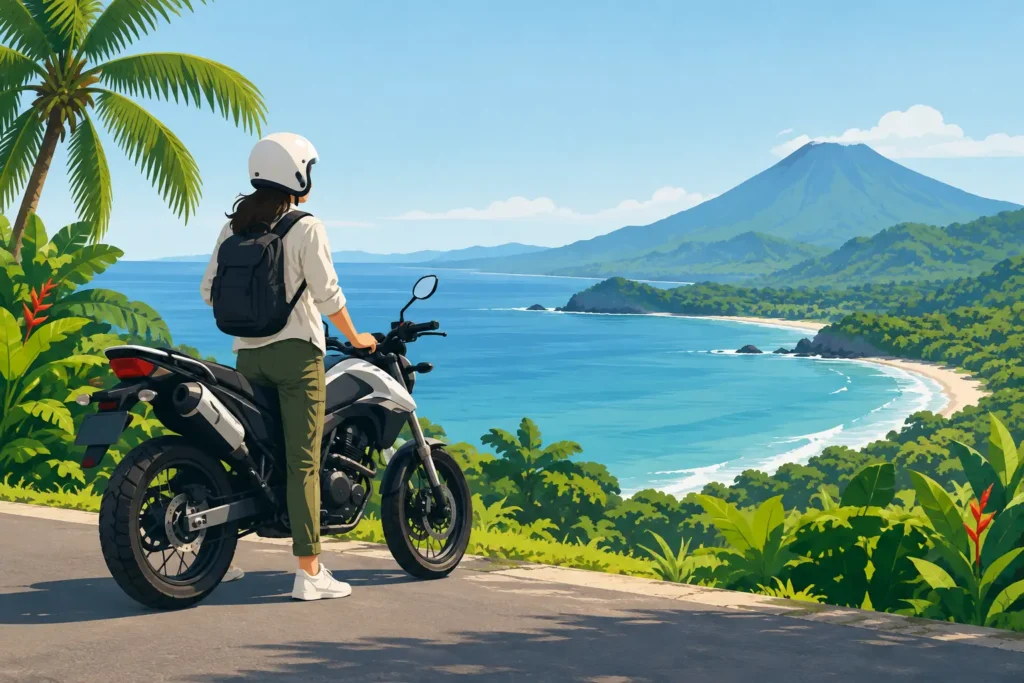
A motorcycle can turn a short ride from Tamarindo to a quiet beach, a waterfall, or a mountain viewpoint into one of the best parts of your trip. But Costa Rica is not the place to treat a rental bike like a casual vacation accessory. To rent motorcycles safely in Costa Rica, choose the right machine, understand the route ahead, and give local road conditions the respect they deserve.
The reward is real: more freedom, easier parking, and a front-row view of the country’s coastline and countryside. The trade-off is exposure. Rain, gravel, steep grades, wildlife, unmarked turns, and unfamiliar traffic patterns can challenge even confident riders. A smart plan keeps the adventure memorable for the right reasons.
Choose the Motorcycle for the Roads You Will Actually Ride
Start with your itinerary, not the bike that looks best in a photo. A lightweight scooter may be an excellent fit for short, paved trips around Tamarindo, Flamingo, Playas del Coco, or Liberia. It is easy to maneuver, easier to park, and practical for relaxed daytime exploring.
If your plans include mountain roads, long distances, uneven access roads, or remote beaches, a larger motorcycle with appropriate tires, stronger suspension, and enough power for hills may make more sense. That does not automatically mean choosing the biggest bike available. Heavy motorcycles can be difficult to manage on loose gravel, in deep rain ruts, or at slow speed when you are carrying a passenger and luggage.
Be honest about your recent riding experience. A rider who spends weekends on a similar-sized motorcycle will have a very different comfort level than someone who last rode years ago. Costa Rica rewards smooth, patient riding more than aggressive riding. If a route looks beyond your comfort zone, arrange private transportation and save the motorcycle for the roads you will genuinely enjoy.
Inspect Every Detail Before You Leave
A reputable rental partner should welcome a careful walk-around. Take photos and video of the motorcycle before departure, including existing scratches, mirrors, wheels, lights, and any luggage equipment. Make sure damage noted on the rental agreement matches what you see.
Test the front and rear brakes, turn signals, horn, headlights, brake light, and tire condition. Look for visible tire wear, cracks, low pressure, fluid leaks, or a loose chain. Confirm that the mirrors are adjusted before you enter traffic, not after. If the motorcycle has a top case or side bags, check that every latch closes securely.
Ask how to use the fuel system, side stand, steering lock, alarm, and any immobilizer. Clarify the fuel type and the required return level. A few straightforward questions at pickup can prevent a frustrating roadside stop later.
Your rental agreement deserves the same attention. Understand the security deposit, roadside support process, accident procedure, mileage terms, restrictions on where the bike may be taken, and what insurance does and does not cover. Do not assume that a credit card benefit or travel policy covers motorcycles. Coverage often has exclusions based on engine size, off-road use, protective gear, or the type of incident.
Wear Gear That Matches Costa Rica’s Conditions
A helmet is not optional. Choose one that fits securely, with a fastened strap and clear visibility. If the rental helmet feels loose, damaged, excessively worn, or uncomfortable, request another one. A full-face or modular helmet gives more protection from rain, dust, flying debris, and insects than an open-face style.
Closed-toe shoes are a far better choice than sandals, even on a beach day. Add lightweight long pants, a breathable riding layer, gloves, and eye protection if your helmet does not have a visor. Costa Rica can be hot, but exposed skin offers little protection during a low-speed slide or from sun and road debris.
Pack a compact rain layer in an accessible spot. Tropical rain can arrive quickly, particularly in the green season, and a dry, focused rider makes better decisions. Bright or reflective clothing is also valuable when clouds roll in early or traffic becomes busy near town centers.
Ride for the Road, Not the Map
Navigation apps are useful, but they do not always reveal the quality of the final miles. A route marked as a road may include potholes, washboard gravel, water crossings, construction, or a narrow section shared with pedestrians, dogs, bicycles, and farm vehicles. Before leaving, ask a local expert about the current condition of your intended route.
Give yourself more time than the map suggests. Costa Rica’s scenic roads often move slowly because of curves, traffic, weather, and changing surfaces. Avoid riding after dark whenever possible, especially outside major tourist areas. Road markings, potholes, animals, and unlit vehicles are harder to spot at night, while rain can turn a familiar daytime route into a very different ride.
On paved roads, watch for sand and loose gravel near driveways, beach access points, and road shoulders. On mountain routes, expect tight bends and occasional fog. After rain, painted lines, metal bridge surfaces, leaves, and muddy patches can become slick. Reduce speed before the hazard, keep your movements smooth, and leave generous following distance.
Never assume another driver sees you. Use signals early, maintain a visible lane position, and be especially alert around buses, trucks, taxis, and vehicles turning across traffic. Passing should be deliberate, legal, and completed only when you have a clear view ahead. A vacation schedule is never worth a risky maneuver.
Plan for Weather, Fuel, and Daylight
In Guanacaste, sunny mornings can give way to intense afternoon showers during the rainy season. Check the forecast, but also read the sky and adjust your plans. If rain becomes heavy enough to limit visibility or flood the road surface, pull into a safe place and wait. There is no prize for riding through a downpour.
Fuel stops can be farther apart once you leave high-traffic areas. Do not run the tank low simply because your destination appears close. Fill up before heading into rural terrain, and carry water for every rider. Heat, humidity, and a long ride can affect judgment faster than many travelers expect.
Set a turnaround time that gets you back before dark. This one habit makes a major difference, particularly for couples and friend groups who stop frequently for beaches, photos, lunch, or a swim. Tell someone at your hotel, villa, or rental provider where you are headed if you plan to explore less-traveled roads.
Know When a Guided Option Is the Better Choice
Independent riding is ideal when you know your limits, have a sensible route, and want the flexibility to explore at your own pace. It is not always the best choice for every day of the trip. Travelers new to Costa Rica, riders traveling with children, groups with mixed experience levels, or anyone planning a long transfer may be better served by a private driver, guided tour, or ATV experience designed for the terrain.
That is not giving up adventure. It is choosing the experience that lets everyone enjoy the destination without worrying about navigation, weather, luggage, or the drive back. 506 Transfers can help travelers coordinate motorcycles alongside private transfers and local excursions, so the bike is part of a well-planned vacation rather than the only way to get around.
What to Do if Something Goes Wrong
If you have a mechanical issue, move to a safe location when possible and contact the rental provider using the emergency number provided at pickup. Do not attempt repairs you are not qualified to make, and do not continue riding with a brake, tire, steering, or lighting problem.
After an accident, prioritize medical attention and personal safety. Contact local authorities when required, notify the rental company promptly, document the scene, and avoid admitting fault or making informal arrangements with other parties. Keep your rental documents, insurance details, and emergency contact information on your phone and in a protected physical location.
The best Costa Rica motorcycle day feels effortless because the preparation happened before the engine started. Pick a bike that suits your ability, ride conservatively, and leave enough room in the schedule for a sudden rain shower or an unexpected view worth stopping for.