


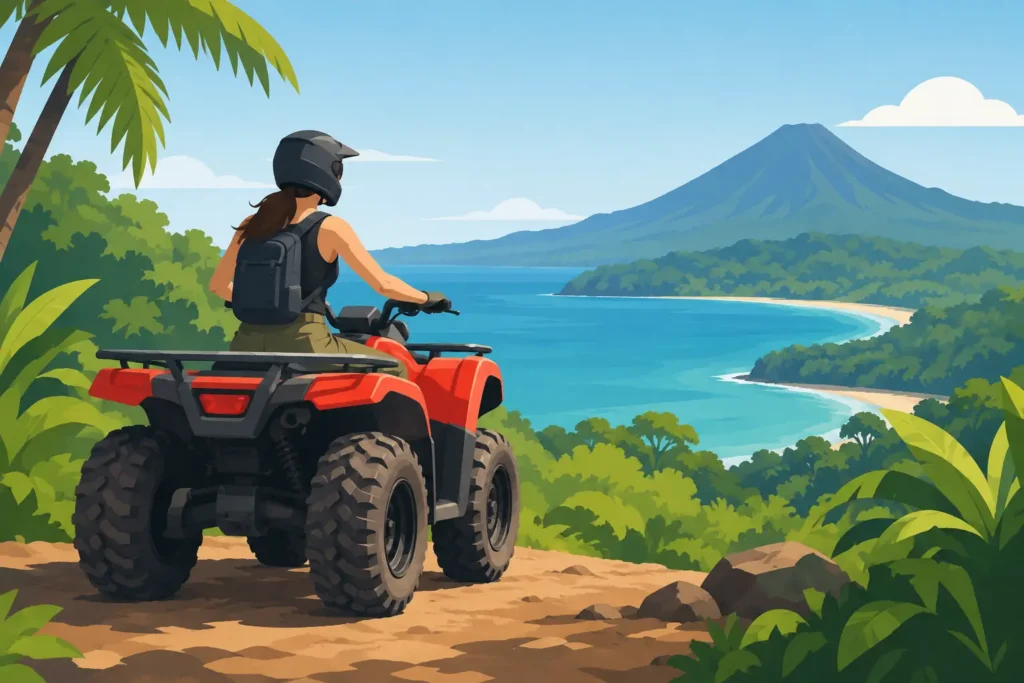
Costa Rica gets much bigger once you leave the highway. An ATV can take you from a beach town to a hidden waterfall, a hilltop sunset point, or a muddy backroad that a standard car was never meant to handle. But knowing how to rent an ATV in Costa Rica means looking beyond the daily rate. The right vehicle, route, paperwork, and local guidance can turn an exciting day into one of the best memories of your trip.
For travelers based in Tamarindo, Flamingo, Guanacaste, and other coastal destinations, ATV rentals offer serious freedom. They also come with real responsibility. Roads change quickly here, weather can reshape a route in an hour, and not every rental is suitable for every rider or passenger.
Start With the ATV Experience You Want
Before choosing a rental, decide whether you want independent transportation, a half-day adventure, or a guided off-road experience. These are not the same thing.
A self-drive ATV rental makes sense when you are comfortable operating the vehicle and want the flexibility to reach nearby beaches, restaurants, viewpoints, or rural roads on your own schedule. It is especially popular in areas where attractions are spread out and taxis are limited.
A guided ATV tour is the stronger choice if you want to ride trails, cross rivers, explore jungle terrain, or reach places you would not confidently find alone. A knowledgeable local guide knows which routes are open, which crossings become risky after rain, and where the best views are worth stopping for. It also removes the pressure of navigating unfamiliar roads while trying to enjoy the scenery.
For many vacationers, the best option depends on the day. Use a private transfer or rental car for airport arrivals and longer regional travel, then reserve an ATV for a focused adventure near your hotel or villa. That approach gives you more comfort on major roads and more fun when it is time to get off them.
How to Rent an ATV in Costa Rica: Requirements First
Most reputable operators will require a valid driver’s license and a credit card for the security deposit. Bring your physical license, not just a photo saved on your phone. International visitors can generally use a valid license from home for a short tourist stay, but requirements and rental policies can vary by operator, vehicle type, and location.
Ask the rental provider about the minimum age for drivers and passengers before you book. Some companies set their own minimums above the legal driving age, particularly for larger ATVs, side-by-sides, or high-performance models. Children may be allowed only as passengers, and only when they meet the provider’s age, height, and safety requirements.
You should also confirm exactly what is included in the quoted price. A low advertised day rate may not include taxes, insurance, helmets, fuel, delivery to your accommodation, or damage coverage. Premium service means clear answers before you arrive, not unexpected charges when you are ready to ride.
Ask About Insurance and the Deposit
The deposit is one of the most overlooked parts of an ATV rental. Providers may place a hold on your credit card or require a deposit to cover theft, rollover damage, broken equipment, or recovery costs if the ATV becomes stuck far from approved roads.
Read the rental agreement carefully. Find out what damage is covered, what is excluded, whether tires and undercarriage are included, and what happens if a mechanical issue interrupts your day. Do not assume your travel insurance or credit card coverage applies to ATVs. Many policies exclude off-road vehicles, recreational vehicles, or riding outside approved areas.
If the agreement is unclear, ask before signing. A trusted local partner should explain the terms directly and make sure you understand where you can ride.
Choose the Right Vehicle for Your Group
Not every ATV is built for the same kind of vacation. A solo rider heading along dry local roads has different needs than a couple carrying beach bags, or a family that wants a side-by-side with more stability and seating.
A single-rider ATV is nimble and exciting, but it demands balance, confidence, and full attention. A two-person ATV can be convenient for couples, although the passenger changes the vehicle’s handling, braking distance, and comfort on rough terrain. If your group includes younger passengers or anyone uneasy with an open vehicle, a side-by-side may be the better fit. It has seat belts, a steering wheel, and often a more secure seating position.
Be honest about your experience level. There is no prize for renting the biggest machine available. A properly sized, well-maintained vehicle is safer and more enjoyable than a powerful ATV that feels difficult to control.
Inspect the ATV Before You Leave
Take five unhurried minutes at pickup. A professional provider should walk you through the controls and inspect the machine with you. Check the brakes, tires, lights, throttle response, mirrors, fuel level, horn, and any storage compartment. Photograph existing scratches or damage so there is a clear record before your rental begins.
Make sure you know how to start and stop the ATV, engage reverse if available, use the parking brake, and contact the provider if you need roadside assistance. Ask where the spare tools are kept, whether there is a fuel requirement at return, and what to do if you get a flat tire.
This is also the moment to get route advice. Ask which roads are approved, which beaches or protected areas are off-limits, where fuel stations are located, and whether rain has affected nearby crossings. Local knowledge is not an extra. It is part of riding responsibly in Costa Rica.
Dress for the Road You Will Actually Ride
Costa Rica can be hot, humid, dusty, wet, and muddy in the same afternoon. Wear a helmet every time, even if the ride is short. Closed-toe shoes are essential. Sandals may feel right at the beach, but they offer little protection from rocks, hot engine parts, branches, or a sudden stop.
Choose lightweight clothes that can get dirty, plus sunglasses or goggles to protect your eyes from dust and insects. Bring sunscreen, water, and a small rain layer, particularly during the green season. Keep phones and valuables in a waterproof bag or secured compartment. A quick downpour can arrive without much warning.
Avoid riding in swimwear alone or with loose items that can catch on the vehicle. If you are heading to the beach, pack what you need rather than hanging bags from the handlebars.
Understand Costa Rica Road Conditions
The scenic route is not always the easy route. In beach communities and rural areas, paved roads can give way to gravel, potholes, steep inclines, loose sand, and water crossings. During the rainy season, conditions can change dramatically between morning and afternoon.
Ride slower than you think you need to, especially around blind turns, villages, animals, and pedestrians. Costa Rica’s roads are shared with dogs, cattle, cyclists, delivery motorcycles, local families, and travelers who may not expect an ATV approaching. Keep both hands on the controls, give yourself room to brake, and never assume another driver will yield.
Do not ride after drinking alcohol. It is unsafe, can void rental coverage, and can create serious legal consequences. The same rule applies to reckless riding, racing, and attempting terrain your provider has specifically prohibited.
Beach riding deserves special caution. Access rules vary, tides can trap a vehicle, and saltwater can damage equipment. Only ride on beaches when your operator confirms it is permitted and conditions are safe.
Book With a Provider That Knows the Destination
The best ATV rental is not simply the cheapest one available online. Look for an operator that clearly explains its fleet, safety standards, insurance options, delivery process, and support if something goes wrong. Reliable communication matters, particularly if you want the vehicle delivered to a vacation rental or need help choosing a route.
If your itinerary includes airport pickup, hotel transfers, tours, or a move between destinations, coordinating through one experienced local provider can save valuable vacation time. 506 Transfers can help travelers pair ground transportation with curated ATV experiences, so the logistics feel organized from arrival to adventure day.
Book ahead during peak periods, including Christmas, New Year’s, spring break, and major holiday weeks. Guanacaste’s most popular beach towns can sell out of quality vehicles quickly, and last-minute availability may leave you with fewer choices.
An ATV should make your Costa Rica vacation feel bigger, not more complicated. Choose a vehicle that fits your group, respect the road and weather, and let local expertise shape your route. Then save the rush for the trail, the ocean view, and the moment you realize you have found a side of Costa Rica most visitors never see.